Why the DRHP Matters More Than the GMP
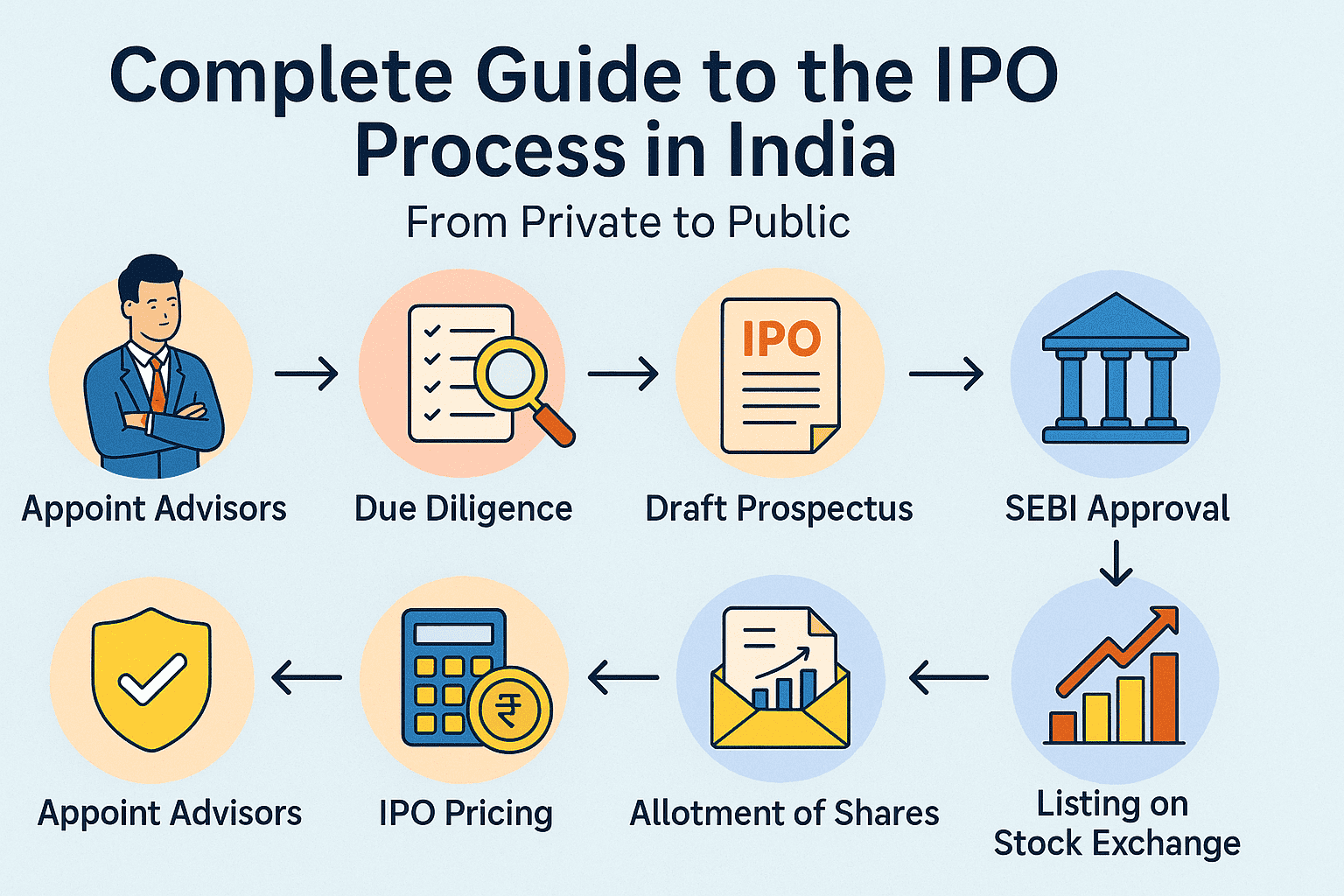
Before every IPO, the company files a Draft Red Herring Prospectus (DRHP) with SEBI. This document is the single most important source of truth about the business — yet most retail investors never open it. Understanding even the key sections can give you a massive edge over uninformed applicants chasing hype.

Section 1: Objects of the Issue (Use of Funds)
This section explains why the company is raising money. Is it for growth — new factories, technology, geographic expansion? Or is it primarily an Offer for Sale (OFS), where existing promoters and investors are cashing out? A high OFS component means the company itself isn't raising fresh capital — the money goes to existing shareholders, not the business.
Red flag: If 80%+ of the IPO is OFS with minimal fresh issue, ask yourself why promoters want to sell now.
Section 2: Financial Statements
Look at 3 years of revenue, EBITDA, and PAT (Profit After Tax). You want to see consistent growth, improving margins, and ideally profitability. Check the restated financials — not just the headline numbers. Look for any restatements or qualifications by the auditor, which appear in the auditor's report.
Also examine: cash flow from operations vs. net profit. A company showing profit but negative operating cash flow is a potential concern.
Section 3: Risk Factors
This is the most underread section and arguably the most valuable. Companies are legally required to disclose every material risk. Read the first 10 risks carefully — they're usually listed in order of severity. Look for litigation risks, regulatory dependencies, customer concentration (if one client = 40% of revenue, that's a major risk), and promoter-related legal cases.
Section 4: Promoter Background
Check the promoter's track record, their stake pre and post-IPO, and any lock-in restrictions. A promoter whose stake drops significantly post-IPO may signal reduced commitment. Also verify if promoters have prior SEBI debarment orders or pending litigation.
Section 5: Valuation (P/E and EV/EBITDA)

The DRHP includes a peer comparison table. Compare the IPO's P/E ratio against listed peers. If the company is being valued at a significant premium to its competitors without a clear growth justification, the listing pop may already be priced in — or the stock may correct post-listing.
How Long Does It Take?
A focused DRHP read — Objects, Financials, Risk Factors, Promoter, and Valuation — takes 20–30 minutes. You don't need to read 400 pages. Focus on the 5 sections above and you'll know more than 90% of retail applicants.